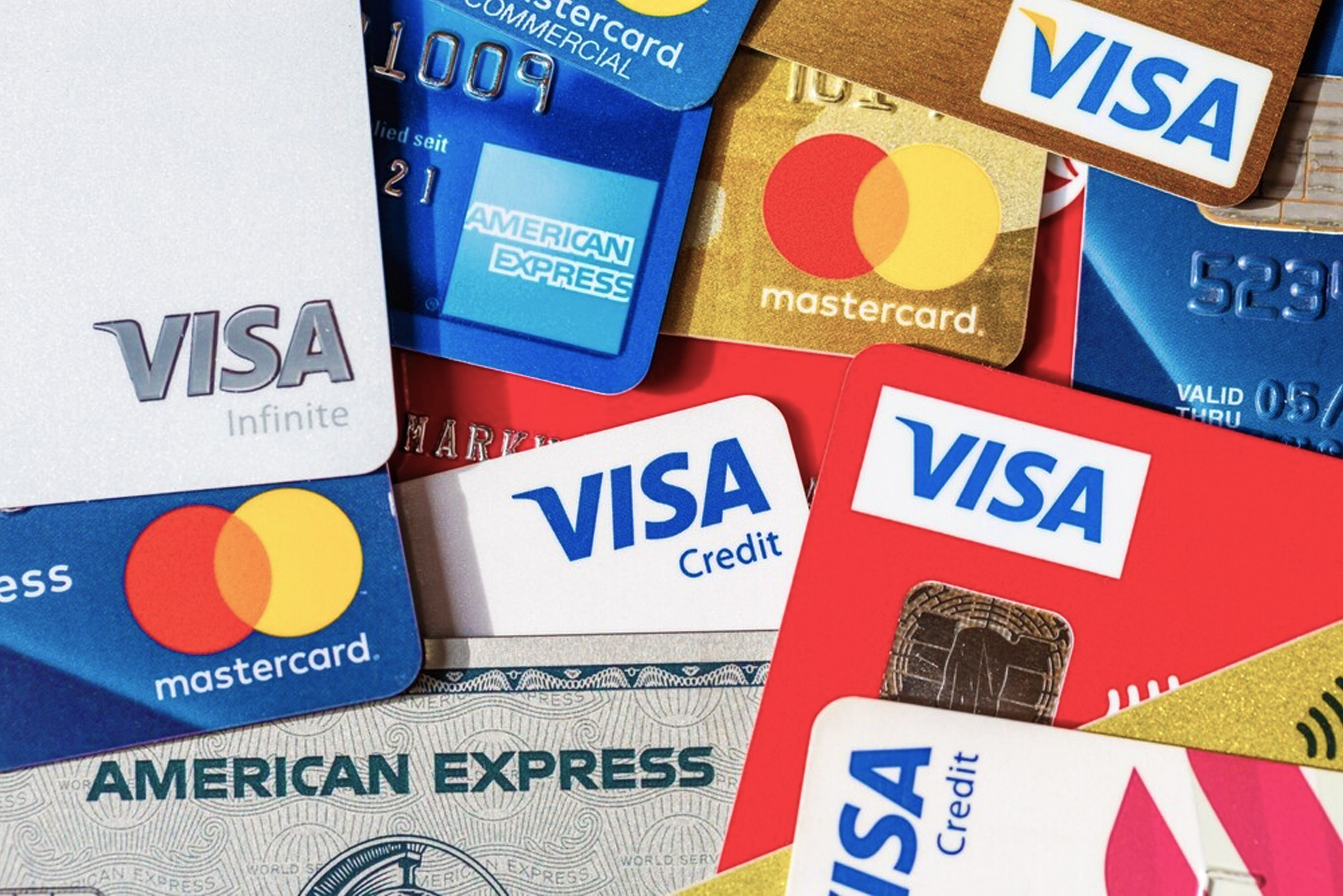
Best Credit Card for Beginners in 2025: Your First Step to Financial Freedom
Credit Cards have quietly become an essential part of our daily life. A monetary instrument which at one time was used as an emergency backup is now used on a regular basis, Groceries, Cab Rides, even Coffee. Finding your first credit card as a beginner doesn’t have to be a difficult process, even though beginning your credit adventure can be scary. More than simply a piece of plastic, a credit card is a tool that, when used properly, opens doors to significant financial achievements like renting an apartment, obtaining a favorable auto loan rate, or eventually obtaining a mortgage.
If you’re a beginner, you should also read our guide on how credit scores work.
Here is your comprehensive guide to selecting the best credit card for beginners in 2025.
1. The Beginner’s Card Checklist: What Matters Most
When you have no credit history (a “thin file”), card issuers are primarily looking for responsibility. Your ideal first card should meet these non-negotiable criteria:
- Zero Annual Fee: Your priority is establishing a long, positive credit history, and that card will likely stay in your wallet for decades. You should never pay a fee just to build credit. Look for a card that costs nothing to keep open year after year.
- Reports to All Three Bureaus: Your card must report your monthly activity (payments, utilization) to all three major credit bureaus: Equifax, Experian, and TransUnion. This is how you build a visible, official credit score. Most major issuers do this, but it’s always worth a quick check in the fine print.
- Educational Resources & Low Barrier to Entry: The best beginner cards often come from issuers that specialize in building credit. They typically offer free credit score monitoring, financial literacy resources, and have simple, low-risk approval requirements designed for first-time users.
2. Top-Recommended Types of Cards for a Newcomer
You likely won’t qualify for a premium rewards card on day one, and that’s okay. Focus on these three card categories, which are the most accessible entry points:
Option A: Secured Credit Cards (The Safest Bet)
A secured credit card is the gold standard for beginners. It works exactly like a traditional credit card, but it requires a cash deposit usually $200 to $500 which acts as collateral.
- How they work: Your deposit typically becomes your credit limit. If you deposit $300, your limit is $300. This minimizes risk for the bank.
- The Best Part: When you use it responsibly (making payments on time), the issuer will often review your account after 6–12 months and “graduate” you to an unsecured card, returning your deposit. This is the fastest, surest way to build a score.
Option B: Student Credit Cards (If Applicable)
If you are currently enrolled in a college or university, student-focused cards are an excellent middle ground. Issuers understand students have limited income and no history, so their approval criteria are more lenient than standard cards.
- Key Benefits: They are unsecured (no deposit needed) and often offer modest rewards (like 1% cash back on common categories) as an extra incentive. Many even offer a small bonus for maintaining a good GPA.
Option C: Retail or Store Cards (The Easy Approval)
While generally less flexible, a retail-branded card (for a department store or gas station) is one of the easiest cards to get approved for, especially if you shop there often.
- Use with Caution: Store cards usually have high APRs, so they should only be used for small, easy-to-pay-off purchases. Getting one and managing it well can act as a useful first line on your credit report before applying for a major unsecured card.
3. The Golden Rules: How to Use Your First Card Flawlessly
Having the right card is only half the battle. Your usage habits determine your credit score. Master these three rules to ensure a perfect start:
- Pay Your Balance in Full, Every Month. This is the single most important habit. If you charge $150, pay back exactly $150 before the due date. This avoids all interest charges and proves to the card issuer that you are a reliable borrower. Never carry a balance.
- Keep Your Credit Utilization Low (Below 10%). Your credit utilization ratio is how much credit you are using compared to your total limit (e.g., using $100 of a $1,000 limit is 10% utilization). Experts recommend keeping this number under 30%, but if you can keep it under 10%, your score will see the maximum benefit.
- Set Up Auto-Pay or Calendar Reminders. Payment history is the largest factor in your credit score (35%). A single late payment can severely damage a new score. Set up automatic minimum payments or, even better, set up an auto-pay for the full balance to ensure you are never late.
Your First Card in 2025: A Summary
The best credit card for you in 2025 is the one you can get approved for and manage responsibly. Don’t overcomplicate it. If you have no history, start with a secured card, treat it like cash, and watch your credit score grow. In 12–18 months, you’ll be ready to upgrade to a feature-rich rewards card!
Latest Posts
- Revolution Casino entfesselt Glück mit dem No Deposit Bonus Geheimcode
- Εξερευνώντας τις ανατροπές του Revolution Casino με κριτικές που καθηλώνουν
- Odkrijte vznemirjenje mr pacho online kazinoja in osvojite srečo
- Odkryj tajemnice kodu promocyjnego Admiralbet i wygraj więcej
- Admiralbet Login entfesselt Ihre Wettleidenschaft sofort