Are Premium Credit Cards Worth the High Fees?
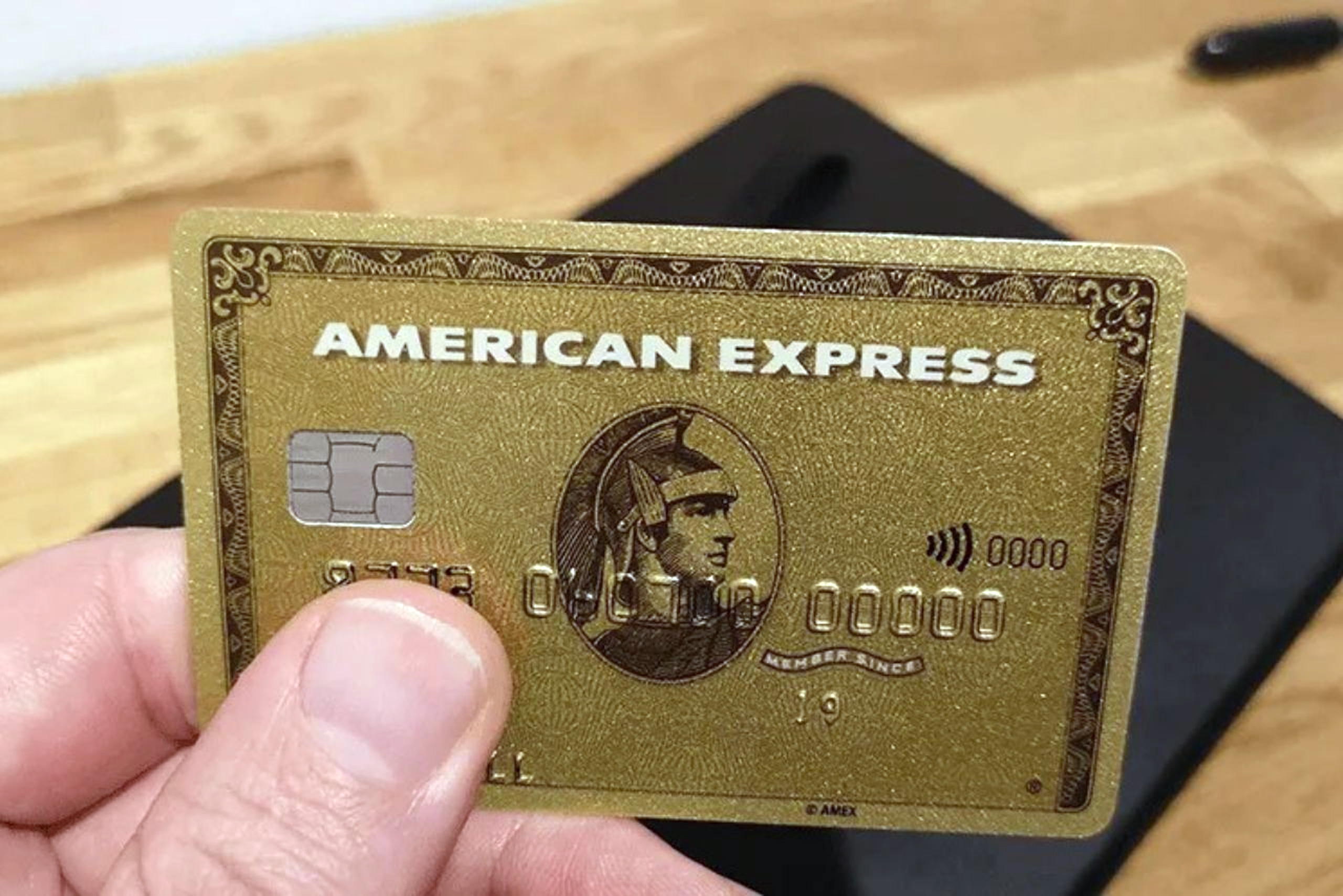
You’re standing in line at the airport, eyes red from the early morning flight, watching someone effortlessly glide past the regular check-in queue and disappear into a luxurious lounge. That person probably just flashed a heavy piece of metal a premium credit card with an annual fee that could easily cover a decent month’s rent. The voice in your head immediately whispers, “Is that $500, $695, or even $1,000+ fee actually worth it? Or are they just paying for a status symbol?”
It’s a question I’ve wrestled with for years, both as a frequent traveler and a personal finance enthusiast who meticulously tracks every dollar. The truth about high-fee premium cards isn’t found on the glossy marketing brochures; it’s found in a rigorous, line-by-line calculation of value versus cost, and critically, how that value aligns with your actual, everyday life.
I’ve personally held some of the most lauded (and costly) travel and lifestyle cards on the market, experiencing the full spectrum of benefits from private jet programs to exclusive dining reservations. This is my honest assessment, born from years of using these cards, maximizing their perks, and sometimes, letting them sit idle and wondering if I should downgrade.
The Mental Hurdle: Why High Fees Feel Wrong
Before we even look at the perks, we have to address the psychological barrier. We are conditioned to seek low or no fees. A high annual fee say, in the $400 to $700 range feels like a loss the moment you pay it. This is by design. The issuer is essentially saying: “We are selling you a concierge, a travel insurance package, a guaranteed stream of credits, and a ticket into an exclusive club. But you must pay upfront.”
The key mental shift required to justify a premium card is moving away from seeing the fee as a cost and viewing it as a subscription. You’re not paying for the card; you’re subscribing to the benefits package it offers. If the net value of the benefits you will genuinely use exceeds the subscription price, the card is worth it. If it doesn’t, you are losing money on the deal.
1. How to Calculate the Net Value of Premium Card Perks
The first step in determining worth is the “Benefits You Actually Use” audit. Don’t be fooled by the total potential value often touted by finance blogs. Focus only on the perks that naturally integrate into your existing spending habits.
A. Statement Credits: The Easiest Math
Many premium cards offer statement credits for specific categories: airline incidentals, Uber/rideshares, hotels, or even streaming services.
Firsthand Insight: I once had a card with a $200 airline fee credit. I fly one specific airline frequently, and their rules allow this credit to cover baggage fees and seat upgrades. Since I check a bag every time I travel, those fees were an unavoidable $180 per year anyway.
- Annual Fee: $550
- Airline Credit Used: $200 (100% used, as it covered pre-existing, non-discretionary expenses)
- Net Effective Fee (Initial Reduction): $350
This single credit immediately chops nearly 40% off the fee. You need to identify similar credits that offset expenses you already incur, not ones that make you spend money you wouldn’t otherwise. A $100 credit for a random gym membership you don’t want is worth $0.
B. Travel Status & Lounge Access: The Subjective Value
This is where the calculation gets complex, as the value is highly personal.
Airport Lounge Access
- The Proposition: Unlimited access to exclusive airport lounges (like Priority Pass, Centurion, Delta Sky Club, etc.).
- The Cost-Saving View: A typical Priority Pass membership costs around $469 per year if purchased standalone. If you fly just five times a year and visit the lounge on both ends of the trip (10 visits total), and the cost of buying food/drinks in the airport is $30 per visit, you save $300 in airport spending. Add the comfort factor, and the value is high.
- Firsthand Insight: Early on, I valued lounge access highly because I was traveling budget airlines with long layovers. Now, I travel less frequently but often take direct flights. I realized that if I only visit the lounge four times a year, the value I assign to that specific perk drops significantly, especially with overcrowded lounges. If you only fly 1-2 times a year, the value is essentially zero.
Hotel and Rental Car Elite Status
Premium cards often grant automatic mid-tier or even high-tier elite status with hotel chains (e.g., Marriott Gold Elite, Hilton Gold).
- The Benefit: Free breakfast, room upgrades (when available), and late check-out.
- The Value: Free breakfast at a major hotel chain is easily worth $30 per person per day. If you stay 10 nights a year, that’s $300 in tangible, hard-dollar savings, plus the invaluable benefit of late check-out when traveling with family.
2. When the Value Transcends the Dollar Amount
The true worth of a premium credit card often lies in the intangible benefits that don’t have a simple dollar sign attached to them. These are the perks that save you time, stress, and provide a genuinely elevated experience.
A. The Power of Transferable Points
A premium card’s greatest financial strength is often its highly flexible, high-value rewards currency (e.g., Chase Ultimate Rewards, Amex Membership Rewards).
- The Maximization: While you might get 1 cent per point for statement credits, you can often transfer these points to airline or hotel partners (like Hyatt, United, or Singapore Airlines) and achieve 2 cents, 3 cents, or even 5 cents per point in redemption value.
- Firsthand Insight: I once used 60,000 points transferred to a hotel partner for a three-night stay that would have cost over $2,000 in cash. A cash-back card earning 2% would have given me $1,200 on that same spend, but the travel points delivered over three times that value. This is the key differentiator for high-spenders and frequent travelers. If you are willing to learn the rules of points transfer, the return on investment (ROI) becomes exponential.
B. Travel and Purchase Protections: The Peace of Mind
For me, the single most critical benefit of premium cards is the robust suite of insurance and protection they provide.
| Protection Benefit | Why it Matters (Experience-Based) |
| Trip Cancellation/Interruption Insurance | When a sudden illness forced me to cancel a $3,000 international flight package, the card covered the non-refundable portion immediately. This alone saved me about six years’ worth of annual fees. |
| Primary Rental Car Insurance | This benefit means you can decline the rental company’s expensive collision damage waiver (CDW) and your credit card coverage kicks in first. I save around $20–$30 per day on rental cars, making the card pay for itself on longer trips. |
| Lost/Delayed Luggage Insurance | My bag was delayed on a connecting flight, and the card’s benefit covered the cost of new clothes, toiletries, and essentials needed for the first 48 hours. The process was painless and saved me hundreds. |
These are benefits you hope you never use, but when disaster strikes, they instantly make the annual fee look minuscule. You are essentially pre-paying for premium travel insurance.
3. The Unspoken Cost: Overspending and Complexity
It’s crucial to acknowledge the pitfalls of premium cards that the issuers don’t advertise.
The Danger of Manufacturing Spend
The most common trap for new premium cardholders is trying to “manufacture spend” to hit a fee-waiver threshold or utilize a specific credit. For example, a card might waive its annual fee if you spend $300,000 in a year.
- The Trap: If you don’t naturally spend that much, you might start justifying unnecessary purchases just to hit the target. Never let a credit card dictate your spending. If you carry a balance and pay interest, the high APRs of these cards will instantly wipe out all your points and benefits.
- The Rule: You must be a “transactor” (paying your balance in full every month) to make the math work. If you are a “revolver” (carrying a balance), stick to a low-APR card, not a rewards card.
The Hidden Tax of Complexity
Modern premium cards are a labyrinth of rules: $15 monthly Uber credit (use it or lose it!), $50 per quarter hotel credit (only on specific brands!), and limited lounge guest access. Maximizing these cards requires ongoing mental overhead. You have to actively remember which card to use for which purchase, and exactly when to use it.
- My Advice: If tracking multiple monthly credits feels like a second job, simplify. Downgrade to a card with a lower fee but fewer, more straightforward benefits, like a flat-rate cash-back card. Your time and mental energy are worth money, too.
4. Practical Verdict: Who Should Pay the Premium?
The decision to pay a high annual fee boils down to a clear self-assessment of your spending and lifestyle.
The “Yes, It’s Worth It” Candidate
A premium card is a smart financial move if you meet most of these criteria:
- High Annual Spend: You spend enough annually (typically $40,000+) to generate a substantial pool of points that can be transferred for high-value travel.
- Frequent Traveler: You take at least 3-4 round-trip flights per year and value comfort, often experiencing flight delays or long layovers where lounge access is a necessity, not a luxury.
- Credit Utilization of Perks: You already use the services the card offers credits for (e.g., rideshare, streaming, specific dining).
- Points Optimizer: You are willing to spend the time learning how to transfer points to partner loyalty programs for maximum value.
- Always a Transactor: You pay your entire statement balance off every month, ensuring you never pay a penny in interest.
The “No, Stick to No-Fee” Candidate
If you fall into these categories, a premium card will likely cost you more than it saves:
- Moderate or Low Spend: You spend less than $30,000 annually. You won’t generate enough high-value points to justify the fee. A high-yield cash-back card (2% or 3%) is a better fit.
- Infrequent Traveler: You take 1-2 trips a year. The cost of a single airport lounge visit or a basic travel insurance plan is cheaper than the annual fee.
- Preference for Simplicity: You prefer a straightforward cash-back model and don’t want the hassle of tracking complex credit categories or travel partners.
- Potential for Carrying a Balance: If there is any chance you might revolve a balance, the interest rate will financially ruin the rewards program.
Conclusion: Turning a Cost into a Profit Center
Ultimately, premium credit cards are a sophisticated financial tool designed to reward high-volume, responsible spending with luxury travel and lifestyle benefits. They are not status symbols; they are utility programs.
I keep my premium cards because, for my lifestyle, the combination of hundreds of dollars in guaranteed statement credits, the immense savings from the insurance and protection suite, and the exponential value I extract through high-value points transfers comfortably gives me a positive ROI every single year.
If you can confidently calculate that the monetary value of the benefits you will actually use exceeds the annual fee, then yes the high fees are absolutely worth it. If you can’t, do yourself a favor: skip the fancy metal, save the cash, and stick to a card that simplifies your financial life. The best card is the one that rewards the way you live, not the one that changes how you spend.
Latest Posts
- Revolution Casino entfesselt Glück mit dem No Deposit Bonus Geheimcode
- Εξερευνώντας τις ανατροπές του Revolution Casino με κριτικές που καθηλώνουν
- Odkrijte vznemirjenje mr pacho online kazinoja in osvojite srečo
- Odkryj tajemnice kodu promocyjnego Admiralbet i wygraj więcej
- Admiralbet Login entfesselt Ihre Wettleidenschaft sofort