
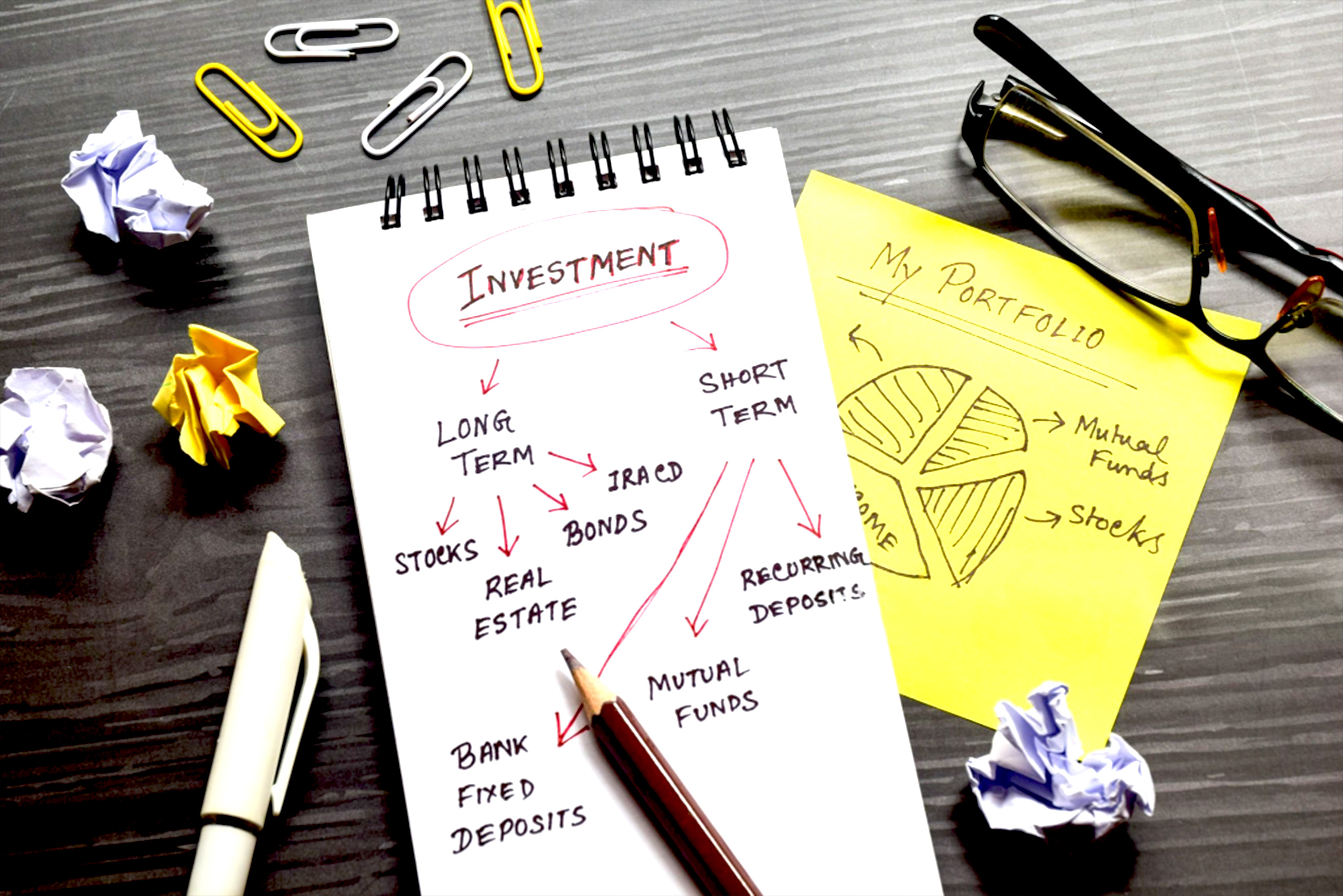
How to Build a Diversified Portfolio in 2025: Your Simple Guide to Smart U.S. Investing
For decades, the simple 60/40 rule (60% stocks, 40% bonds) was the gold standard for American investing. But in 2025, the market feels different. We’re hearing constant debates about rising prices, global uncertainty, and, most importantly, stocks and bonds now often move up and down together, which means they don’t protect you as well as they used to. Plus, there’s a risk that a small number of giant U.S. technology companies dominate the stock market’s performance (like the S&P 500), which is a big risk if those few companies stumble.
True diversification today isn’t just about owning many investments; it’s about owning uncorrelated assets—investments that don’t follow the same path. Building a resilient, “crisis-proof” portfolio today means looking beyond the traditional mix.
1. The Foundation: Know Yourself as an Investor
Before you buy a single asset, you must define your financial goals and comfort level.
- Your Goals and Timeline: What are you saving for? Your goals set your timeline. If you need the money in the short-term (under 5 years), you need safer, more conservative investments to protect your capital. If you’re saving for retirement 10+ years away, you can afford to be more aggressive and focus on growth.
- Your Comfort with Risk: Can you honestly handle seeing your portfolio drop by 20% without panicking and selling everything? Your investment plan must always match your emotional tolerance and your financial ability to absorb potential losses.
Remember the core idea: Investments shouldn’t all act the same. When one part of your portfolio is struggling, another part should remain steady or even thrive. That’s the real measure of a strong, diversified portfolio.
2. Core Asset Allocation: The Modern Mix
Your modern, diversified portfolio needs three parts: a growth engine, a stability layer, and insurance.
A. Stocks (The Growth Engine)
Don’t just put all your money into the one popular U.S. stock index. To spread your risk away from the handful of companies currently driving the S&P 500, look for variety:
- Look Beyond the U.S.: Global markets offer unique growth opportunities and help balance the ups and downs of the U.S. market. Look at established foreign markets like Japan and Europe, and fast-growing economies in Emerging Markets like India and Indonesia.
- Buy Different Kinds of Stocks: Instead of only buying fast-growing companies (which can be expensive), look for strategies that focus on:
- Value Stocks: Companies that look cheap compared to their real-world assets.
- Steady Stocks: Companies that don’t swing up and down wildly (Low Volatility). These groups of stocks act as crucial backups when the high-growth companies stall.
B. Bonds (The Stability Layer)
Bonds still offer safety and income. With interest rates looking attractive, U.S. Treasury bonds and high-quality company bonds offer stability. However, remember the difference in what bonds protect against:
- Bonds primarily protect you if the economy slows down (a growth shock).
- Bonds often fail to protect against rapidly rising prices (an inflation shock).
C. The Essential Hedges (The Insurance)
This layer is your direct protection against rising prices and global risks:
- Gold and Precious Metals: Gold is the ultimate safe-haven asset. Following its recent climb above $4,000/oz in 2025, numerous specialists recommend allocating 8-10% of your overall portfolio for it. It’s wise to develop this position slowly by making regular small investments rather than attempting to time the market with a single big buy.
- Tangible Assets: Tangible assets such as infrastructure, physical properties (through REITs), or funds that follow general commodities (natural resources) serve as strong defenses against long-term inflation since their fundamental values usually grow alongside rising costs.
3. Smart Ways to Invest in 2025
You don’t have to manage these layers manually.
- Affordable & Basic Funds: Low-priced index funds and Exchange-Traded Funds (ETFs) are the most straightforward, economical option for U.S. investors to get broad exposure to entire markets and sectors. They are the ideal foundation for your portfolio.
- All-in-One Solutions: For truly hands-off diversification, look into Multi-Asset Funds. Think of these as a personal investor in a box—they automatically adjust their mix of stocks, bonds, and gold for you based on shifting market conditions.
- The Emergency Fund is Key: Never forget cash! Keeping 6–12 months of living expenses in easy-to-access savings (like money market funds or high-yield savings) is non-negotiable. This ensures you never have to sell a good investment at a loss during an unexpected crisis.
4. Maintenance: The Discipline of the Reset
If one investment, like gold or a concentrated tech stock, performs exceptionally well (as it has recently), it can grow too large and increase your portfolio’s overall risk.
Rebalancing means reviewing your portfolio, perhaps once a year, and selling a little of what performed best (like gold) to buy more of what underperformed (like global stocks). This simple act of resetting your portfolio keeps you disciplined and aligned with your original comfort level.
Finally, remember the hardest part: Ignore the Daily News. A successful portfolio requires a long-term view and the discipline to stick to your plan, ignoring the short-term market noise.