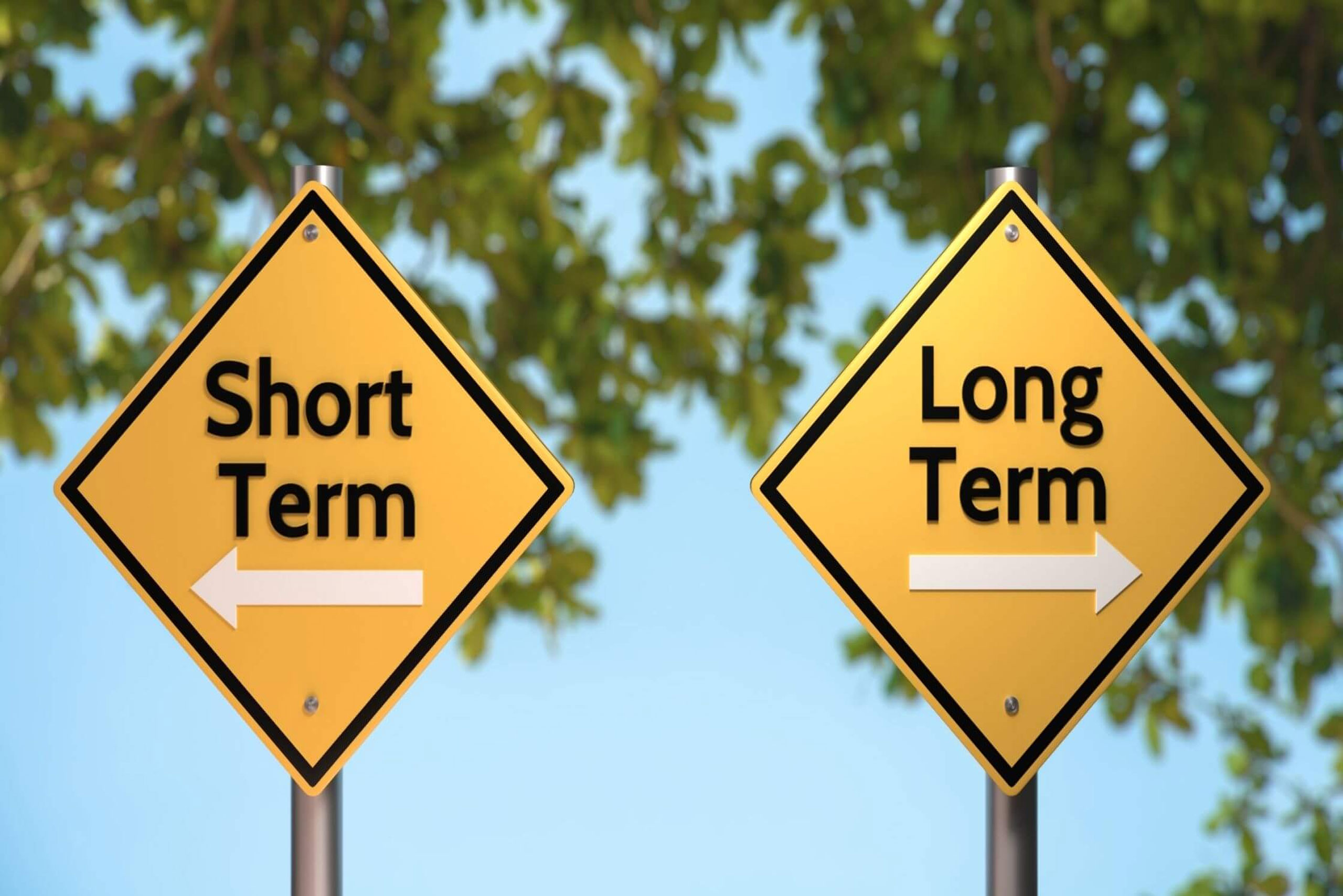
Short-Term vs Long-Term Investing: Which One Should You Choose?
Introduction
Picture this: It’s late 2025. You’ve just checked your portfolio. If you bought gold at the start of the year, you’re likely grinning. If you went heavy into small-cap tech stocks in Q2, you might be sweating a little. This volatility is exactly why understanding the battle of short-term vs long-term investing is critical.
Investing isn’t just about picking a “winner” stock; it’s about matching your money to your timeline. Are you trying to flip a profit for a vacation next summer, or are you building a nest egg for a retirement that’s decades away? Your investment time horizon dictates everything from the assets you buy to the amount of sleep you lose at night.
1.1 Why Investment Timeline Matters
Your timeline is the filter through which every financial decision should pass. A strategy that works for a 20-year horizon (like holding volatile growth stocks) could be disastrous for a 2-year horizon. If you need your cash soon, market volatility is your enemy. If you have decades, volatility is often your friend, offering buying opportunities.
1.2 Who This Guide Is For
This guide is for you if:
- You are a beginner trying to decide where to put your first $1,000 (or ₹50,000).
- You are confused about whether you should be “trading” daily or “investing” for years.
- You want to align your financial goals with the right strategy.
2. What Is Short-Term Investing?
2.1 Definition + Time Range
Short-term investing generally refers to holding assets for less than three years. In its most extreme form, it’s “day trading” (buying and selling within seconds). However, for most people, it means parking money you know you will need relatively soon perhaps for a down payment, a wedding, or a new car.
Common Short-Term Investment Examples:
- High-yield savings accounts
- Money market funds
- Short-term government bonds (Treasury Bills)
- Certificates of Deposit (CDs)
- Speculative assets: Cryptocurrencies or volatile stocks (only if you are actively trading for quick profit, which increases risk).
2.2 Risks and Expected Returns
The primary goal of short-term investing should be capital preservation or liquidity, not aggressive growth.
- Risk: If you aim for safety (like a CD), the risk is low, but so are the returns. If you aim for high short-term returns (like swing trading stocks), the risk is massive. The market can drop 20% in a month; if you need that money next month, you’re in trouble.
- Returns: Safe short-term investments typically yield slightly above inflation (around 4-6% in 2025 terms). Risky short-term trades can yield 50% or -100%.
3. What Is Long-Term Investing?
3.1 Definition + Time Range
Long-term investing involves holding assets for five years, ten years, or longer. This is the realm of wealth building. It allows you to ride out the market’s inevitable ups and downs. The core philosophy here is “time in the market,” not “timing the market.”
3.2 Historical Performance and Growth
History is on the side of the patient. While 2025 has shown gold outperforming equities, looking at a time horizon in the stock market of 10 or 20 years tends to paint another picture. Equities have historically averaged 8-12% annual returns over long periods. Long-term investing offers the following advantages:
1• Compounding: Earning interest on your interest.
2• Tax efficiency: Long-term capital gains tax rates are usually lower than short-term rates.
3• Peace of Mind: You don’t have to check the charts every day.
4. Side-by-Side Comparison
| Feature | Short-Term Investing | Long-Term Investing |
| Time Horizon | < 3 Years | > 5-10 Years |
| Primary Goal | Liquidity / Quick Profit / Preservation | Wealth Accumulation / Retirement |
| Risk Level | Low (if saving) to Very High (if trading) | Moderate (volatility smoothes out over time) |
| Strategy | Technical Analysis / Market Timing | Fundamental Analysis / Buy & Hold |
| Tax Impact | Often taxed as regular income (High) | Lower Capital Gains Rates (Low) |
4.1 Risks
- Short-Term: The risk of timing. You might buy at a peak and be forced to sell during a dip because you need the cash.
- Long-Term: Inflation risk. If your portfolio grows slower than inflation (unlikely with stocks, possible with cash), you lose purchasing power.
4.2 Expected Returns
- Short-Term: Immediate gratification or steady, low interest.
- Long-Term: The magic of compounding. A $10,000 investment growing at 10% becomes ~$67,000 in 20 years without adding another cent.
4.3 Best Use Case Scenarios
- Short-Term: Saving for a house deposit in 2027.
- Long-Term: Building a retirement fund for 2055.
5. Choosing Based on Risk Tolerance & Goals
5.1 For New Investors
If you are brand new, start with investing goals and planning. Do you have an emergency fund? If no, build that with short-term, safe assets first. Once you have a safety net, shift your surplus cash to long-term growth assets like ETFs.
5.2 For Risk-Takers
If you have a high risk tolerance and investing appetite, you might allocate 90% of your portfolio to long-term holds and use 10% for short-term trading (crypto, individual stock picks). This satisfies the itch to trade without jeopardizing your future.
5.3 For Wealth Builders
The time-based investing strategy is simple: The longer you have, the more risk you can take. A 25-year-old should generally focus on long-term growth (stocks/ETFs), while a 60-year-old might focus more on short-term income stability (bonds).
Common Mistakes to Avoid
- Using Rent Money for Stocks: Never invest money you need for bills in the stock market. That is gambling, not investing.
- Panic Selling: Abandoning a long-term strategy because of a short-term dip (like the mid-2025 correction).
- Chasing “Hot” Tips: Short-term speculation often masquerades as investing. If you are buying it because a YouTuber said so, you are likely the liquidity for someone else’s exit.
Quick Decision Checklist
- [ ] Do I need this money within 3 years? (Yes = Short-Term / No = Long-Term)
- [ ] Can I stomach seeing my balance drop 20% temporarily? (Yes = Long-Term stocks are okay / No = Stick to Bonds/Cash)
- [ ] Is my goal a specific purchase or general freedom? (Purchase = Short-Term / Freedom = Long-Term)
FAQs
Q: Is trading better than investing? Trading vs investing is about effort and risk. Trading requires daily work and has a high failure rate. Investing is passive and has a high long-term success rate. For 99% of people, investing is better.
Q: How long should you invest? Ideally, forever. But practically, aim for a minimum of 5-7 years for equity investments to ride out full market cycles.
Q: Can I do both? Absolutely. Many investors keep a “core” long-term portfolio and a “satellite” bucket for short-term opportunities.
Final Thoughts
The debate of short-term vs long-term investing isn’t about which is “better” it’s about which is right for your money right now. Short-term investing protects your present; long-term investing secures your future. The smartest investors in 2025 are the ones who know the difference and play both games effectively.
Latest Posts
- Revolution Casino entfesselt Glück mit dem No Deposit Bonus Geheimcode
- Εξερευνώντας τις ανατροπές του Revolution Casino με κριτικές που καθηλώνουν
- Odkrijte vznemirjenje mr pacho online kazinoja in osvojite srečo
- Odkryj tajemnice kodu promocyjnego Admiralbet i wygraj więcej
- Admiralbet Login entfesselt Ihre Wettleidenschaft sofort